
Consistent Coverage
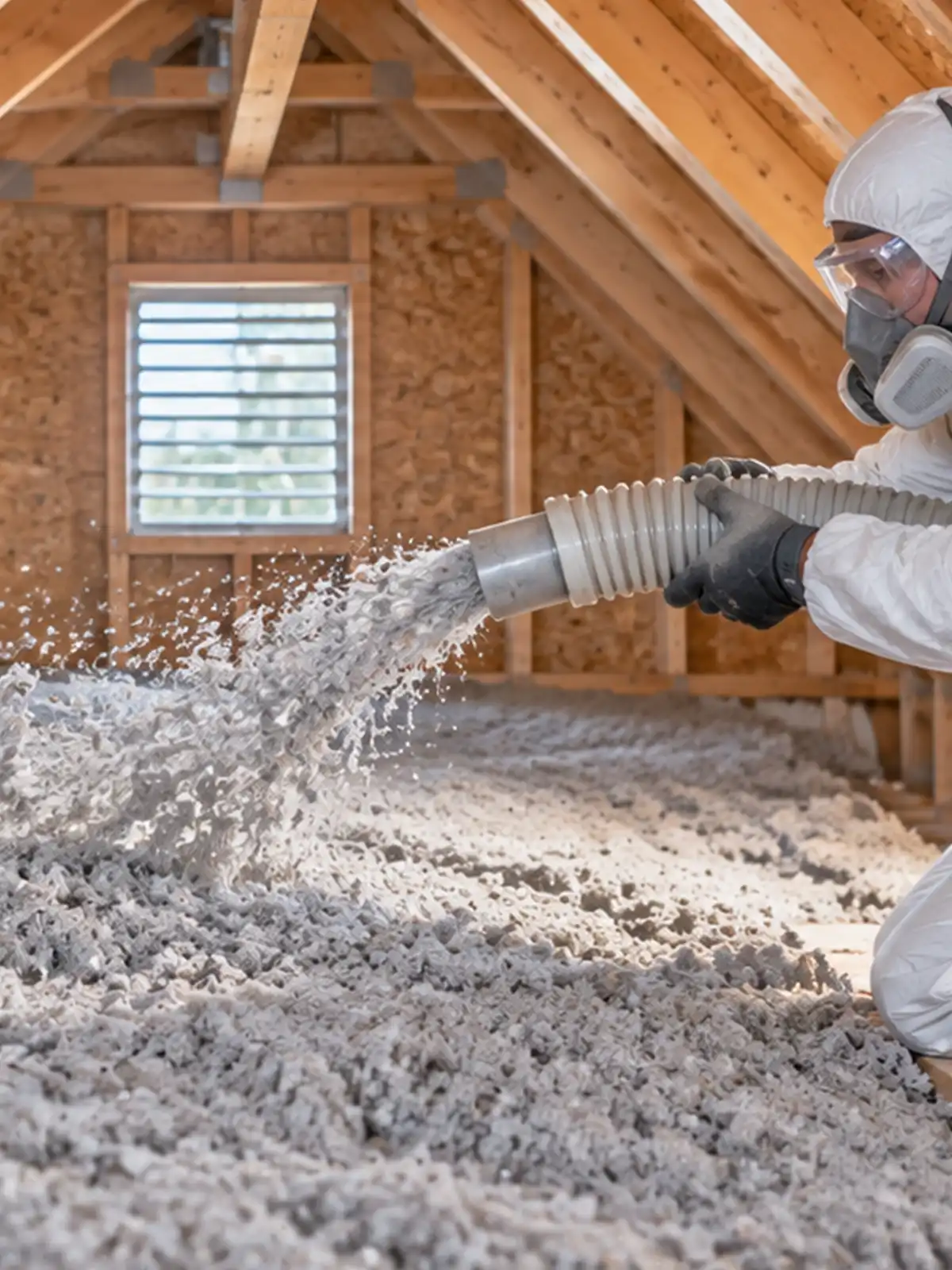
Material is distributed across suitable areas and around framing.

Trusted insulation solutions for homes and businesses across New Jersey and Pennsylvania.
Efficient Coverage for Existing Spaces
Blown-in insulation adds loose-fill material across suitable attic floors and other accessible assemblies, helping improve coverage around framing and obstructions. Apollo evaluates existing insulation, ventilation, access and project goals to recommend the right material, depth and coverage for properties throughout New Jersey and Pennsylvania.
Material is distributed across suitable areas and around framing.
A practical way to upgrade many accessible existing spaces.
Supports a better-insulated and more efficient building envelope.
Helps support more consistent temperatures through the seasons.
Well suited for many under-insulated attic-floor applications.
Careful preparation, even application and clear communication.
Blown-In Insulation
Professionally installed blown-in insulation can improve coverage across suitable attic floors and other accessible assemblies while supporting comfort, thermal performance and efficient retrofit projects.
Loose-fill material reaches around framing and obstructions to improve coverage in suitable areas.
A practical option for upgrading many existing attics and accessible building assemblies.
The planned material and installed depth support a better-insulated building envelope.
Improved insulation coverage can help support more consistent indoor temperatures.
Helpful Information
Explore the questions customers commonly ask before requesting an insulation estimate.
Blown-in insulation is a loose-fill material installed with specialized equipment. It is distributed across suitable spaces to create the planned depth and improve thermal coverage around framing and obstructions.
Common applications include accessible attic floors and certain enclosed wall or ceiling assemblies when the construction and access are appropriate. Apollo evaluates each space before recommending installation.
Often, yes—when the existing insulation is dry, in acceptable condition and compatible with the planned assembly. Damaged, wet or contaminated material may need to be removed before new insulation is added.
Blown-in products may use fiberglass, cellulose or another approved material. The appropriate option depends on the assembly, existing conditions, performance goals and applicable project requirements.
Blown-in insulation primarily provides thermal resistance. Air sealing may be recommended separately around penetrations, gaps and other leakage points before insulation is installed.
Square footage, accessibility, existing insulation, preparation needs, selected material and required installed depth all affect the project. An evaluation provides the most accurate schedule and estimate.